

We have some exciting news to share! The Motley Fool UK has now become The Twelfth Magpie -- an independent, UK-owned company, led by our long-serving UK management team — Mark Rogers, Chris Nials and Heather Adlington. In practical terms, it’s the same team you know, now fully focused on serving our UK readers and members.

Just as importantly, our approach remains unchanged: long-term, jargon-free, and on your side. This site is our new home, and there will be extra tweaks made across the coming few days as we settle in. So if anything looks a little off, please bear with us!

The content of this article was relevant at the time of publishing. Circumstances change continuously and caution should therefore be exercised when relying upon any content contained within this article.

Does the flat Unilever share price make my shares dead money?

The Unilever share price has hardly budged in a year — or five. As a share owner, Christopher Ruane considers what this means for his holding.

| More on:
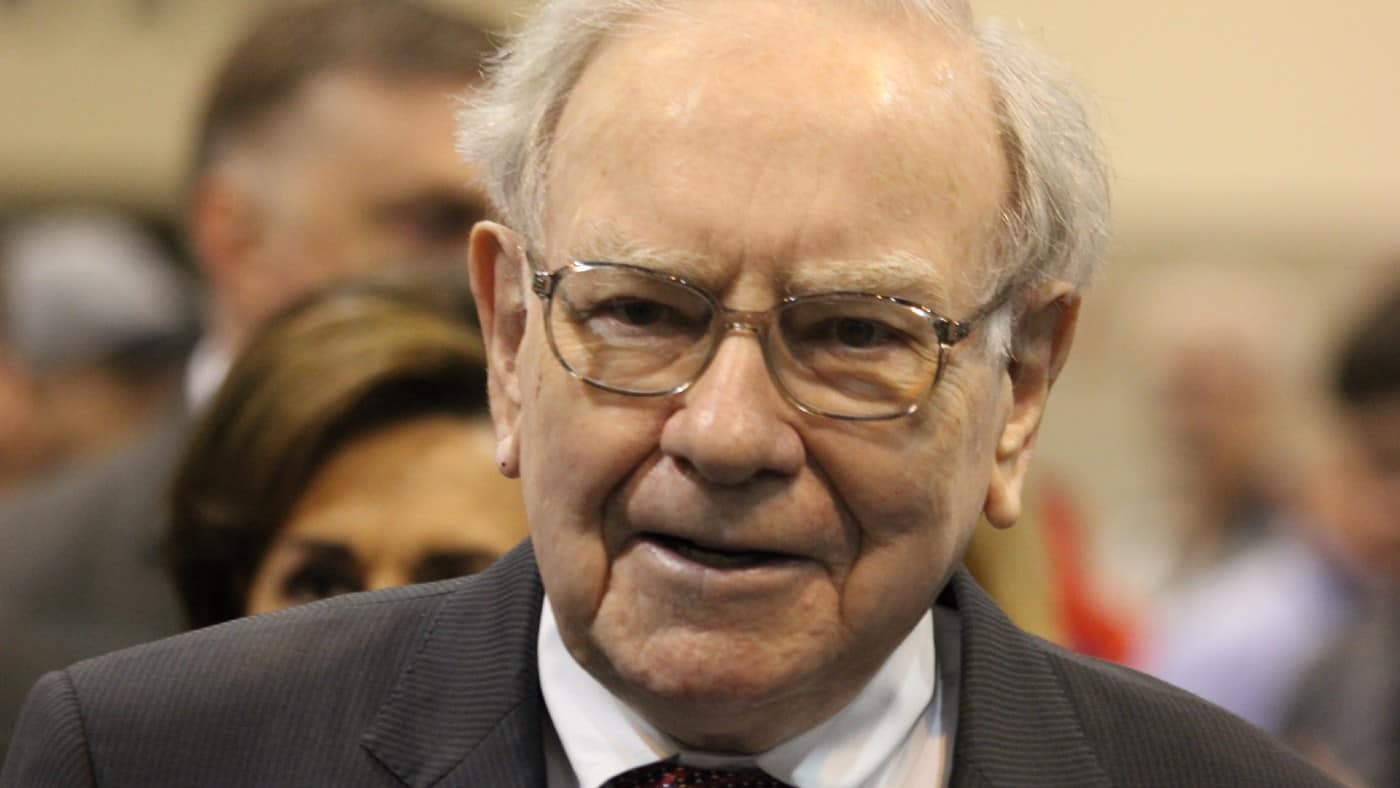
Warren Buffett at a Berkshire Hathaway AGM

Image source: The Motley Fool

You’re reading a free article with opinions that may differ from The Motley Fool’s Premium Investing Services. Become a Motley Fool member today to get instant access to our top analyst recommendations, in-depth research, investing resources, and more. Learn More.

As an investor in Unilever (LSE: ULVR), is my investment going anywhere? Over the past year, the Unilever share price has fallen 3%. In a way that is not surprising. Spiralling inflation and its possible negative impact on profitability have frightened investors away from consumer goods companies.

But what I find more alarming is that, over the past five years, Unilever shares have basically been flat. They are just 2% higher now than they were exactly five years ago, in the week when Warren Buffett was part of a takeover bid for the company.

XXX

That flat performance does not sound attractive to me – what is going on?

Flat revenue but growing earnings

I think the main reason Unilever shares have barely moved is that the company does not have an exciting growth story to motivate shareholders. In its final results last week, revenue grew 3.4% compared to the prior year. But it was still slightly down on where it stood five years ago. The company looks like a supertanker, large but going nowhere fast.

Cost control and a focus on profitability have helped improve earnings. Direct comparisons are complicated by the company’s shifting measures, but diluted underlying earnings per share of €2.62 compared favourably to diluted earnings per share of €1.88 five years ago.

Dividend rise

It is also worth remembering that Unilever pays a dividend. So while the shares have seen limited capital gain over the past five years, shareholders have at least benefitted from receiving a regular dividend.

Currently the yield is 3.8%. I think that is quite attractive. Rival Reckitt yields 2.8% and I think Unilever has a more attractive business overall. Last week, Unilever announced that its annual dividend would increase by 3%. That is not massive, but it is more than tokenistic. With its proven ability to generate massive cash flows and a yield close to 4%, the passive income potential of Unilever helps it merit a place in my portfolio.

Possible drivers for the Unilever share price

The company’s collection of premium brands and global footprint make it an attractive business. After its own failed attempt to bid for part of GlaxoSmithKline recently, I would not be surprised if Unilever itself became a bid target at some point. Warren Buffett – not someone associated with overpaying for companies – offered £40 a share. Today, Unilever shares continue to languish beneath that level.

But I would not buy a company just because I think it could attract takeover attention. Unilever has fiercely maintained its independence. What I like about Unilever is its business. A portfolio of premium brands give it pricing power. That can help generate large free cash flows, even at a time like now when cost inflation threatens profit margins. The pricing power allows Unilever to offset that risk by increasing what it charges customers.

There are risks to the Unilever share price, too. Its global business means exchange rate movements could hurt its profits. Its lacklustre growth momentum suggests it may struggle to grow revenues strongly. It is targeting underlying sales growth of 4.5%-6.5% this year.

But I continue to see this as an attractive business with a strong competitive advantage in the form of its brand portfolio. Earnings have grown along with the dividend. I do not see my Unilever shares as dead money, because I remain modestly optimistic about the company’s prospects.


Christopher Ruane owns shares in Unilever. The Motley Fool UK has recommended GlaxoSmithKline, Reckitt plc, and Unilever. Views expressed on the companies mentioned in this article are those of the writer and therefore may differ from the official recommendations we make in our subscription services such as Share Advisor, Hidden Winners and Pro. Here at The Motley Fool we believe that considering a diverse range of insights makes us better investors.

More on Investing Articles

Friends and sisters exploring the outdoors together in Cornwall. They are standing with their arms around each other at the coast.
Investing Articles

£503 buys 14 shares in this FTSE 250 stock that returned 23.9% annually for the last 15 years

This FTSE 250 stock has averaged a huge return for 15 years. At today's price, £503 buys 14 shares. But…

Read more »

Black woman using loudspeaker to be heard
Investing Articles

£1,000 buys 25 shares in this FTSE 100 stock that’s returned 29.2% annually for the last 10 years

This FTSE 100 mining stock has returned close to 30% a year for a decade. At 3,995p, £1,000 buys 25…

Read more »

Female student sitting at the steps and using laptop
Investing Articles

Down 47%, is this growth stock finally worth buying in May?

With a £288m order book and a hidden pipeline of defence and nuclear contracts, is this growth stock now too…

Read more »

House models and one with REIT - standing for real estate investment trust - written on it.
Investing Articles

2 REITs yielding 7%+ to consider for passive income in 2026

A REIT backed by the NHS and another backed by Tesco and Sainsbury's with both yielding 7%+. Here's why I'm…

Read more »

Woman riding her old fashioned bicycle along the Beach Esplanade at Aberdeen, Scotland.
Investing Articles

Just 97 shares of this UK dividend stock generate £238 in passive income

A 5.7% yield, £238 in passive income from just 97 shares, and one of the most divisive dividend stocks on…

Read more »

ISA coins
Investing Articles

£10,000 in an ISA generates a second income of…

The London Stock Exchange is home to some of the world's most generous dividends. But how big a second income…

Read more »

Shot of a senior man drinking coffee and looking thoughtfully out of a window
Investing Articles

Expert recommendations: 2 top income stocks yielding 7%+!

With yields of 7.2% and 7.8% respectively, these two income stocks are catching the eyes of institutional analysts. Should investors…

Read more »

Illustration of flames over a black background
Investing Articles

3 top income-focused stocks to buy in May 2026, according to experts

Looking for a stock to buy for income in May 2026? Experts have flagged these three UK dividend shares as…

Read more »





